Workout nutrition has two jobs: help you train hard and give your body the nutrients it needs to build muscle. The tricky part is figuring out how much timing actually matters, and when a full meal, a quick shake, or some carbs during training makes sense.
This is called peri-workout nutrition, which simply means timing nutrients around your workout. There is a useful middle ground between frantically chugging a shake after your final rep and assuming nutrient timing doesn't matter at all.
Key Takeaways
- A practical nutrient-timing guideline is roughly four to five hours between pre-workout and post-workout meals.
- Build pre-workout meals around carbs and protein, adjusting size and fat content to digestion time.
- Intra-workout nutrition is most useful for fasted training, longer sessions, and lean lifters in a deficit.
- Post-workout meal urgency depends on how long it has been since your last meal.
Table of Contents
- How Much Does the Anabolic Window Really Matter?
- What to Eat Before a Workout
- What If You Prefer Training Fasted?
- What to Consume During Your Workout
- What to Eat After a Workout
- Make Workout Nutrition Fit Your Day
- Putting Your Nutrition Targets Into Practice
How Much Does the Anabolic Window Really Matter?
Alan Aragon and Brad Schoenfeld's Nutrient Timing Revisited review challenged the classic idea of a narrow post-workout anabolic window. Some people interpreted that as proof that timing was irrelevant. But that goes further than the authors' actual recommendations.
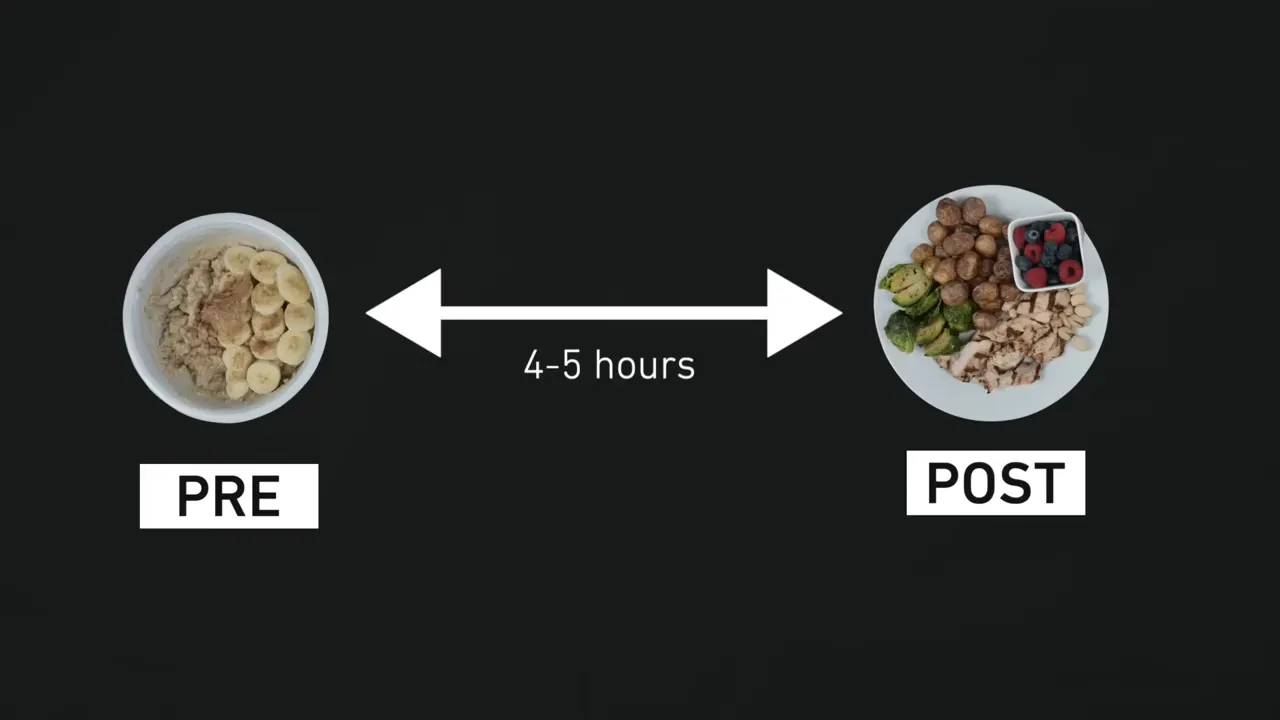
The review suggested separating pre-workout and post-workout meals by no more than about three to four hours, potentially extending that to five or six hours after a large pre-workout meal.
For a practical middle ground, I use roughly four to five hours between the meals bracketing your workout. That's a planning guideline, not a biological stopwatch that suddenly shuts off muscle growth.
Timing deserves more attention in certain situations:
- You're very lean: You have less stored energy available.
- You're eating fewer calories: Preserving muscle becomes a bigger concern.
- You train with high volume: Bodybuilding-style sessions generally place greater demands on fuel availability than lower-volume powerlifting workouts.
So, yes, the window matters. But its practical importance depends on your diet, your training, and what you ate before stepping into the gym.
What to Eat Before a Workout
In my opinion, the pre-workout meal is the most important meal of the day for supporting training. Its value comes from what it allows you to do in the gym, because effective training is what ultimately drives muscle growth.
A good pre-workout meal serves two main purposes:
- Fuel the workout, primarily through carbohydrate.
- Supply amino acids during training, primarily through protein.
Pre-Workout Macro Targets
My starting targets for a full pre-workout meal are:
- Carbohydrate: About 1 gram per kilogram of body weight.
- Protein: About 0.5 grams per kilogram of body weight.
- Fat: About 0 to 20 grams, depending on how soon you'll train.
For carbs, I generally prefer a lower-glycemic source plus a serving of fruit. Different carbohydrates use different intestinal transporters and have different absorption patterns. Combining sources is one way to support a more sustained supply of energy during training.
Fat slows digestion, so adjust it to your schedule. The closer the meal is to training, the less fat I would include. If you have more time to digest, a little more fat can make sense.
When Should You Eat Before Training?
For most people, about 60 to 90 minutes before training is a good starting point.
Eat a large meal too close to lifting and you may feel bloated or sluggish. Eat too far in advance and you may arrive hungry or low on energy. Your own digestion and comfort should help determine the final timing.
- Training in 20 to 30 minutes: Choose a smaller, faster-digesting snack with little fat or fiber.
- Training in 60 to 90 minutes: Have a moderate-sized meal built around carbs and protein.
- Training in about two hours or longer: A larger, slower-digesting meal with more fat and fiber can work well.
Meal Example 1: Protein Oatmeal
For a 175-pound, roughly 80-kilogram lifter training in 60 to 90 minutes, the starting target is approximately 80 grams of carbs, 40 grams of protein, and 10 to 15 grams of fat.
A good old bowl of protein oatmeal gets close:
- 80 grams of oats
- One scoop of protein powder
- One sliced banana
- Half a tablespoon of peanut butter
- A pinch of cinnamon
- A sprinkle of sea salt, particularly if you sweat a lot
Cook the oats, stir in the protein powder, then add the toppings. I use PEScience Select, a whey and casein blend that mixes well with oats. Full disclosure: PEScience sponsors me.
Cinnamon may offer a small blood-glucose benefit, but it's an optional addition, not the reason this meal works.
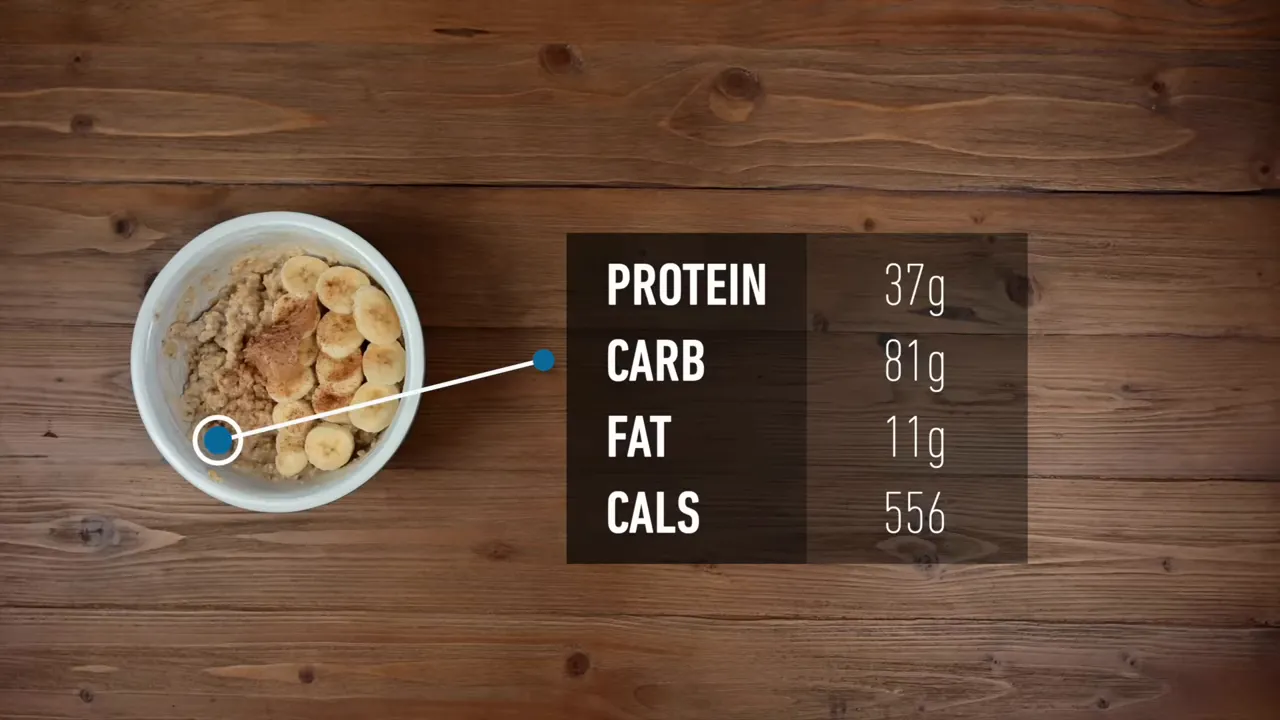
The example bowl provides approximately 556 calories, 37 grams of protein, 81 grams of carbs, and 11 grams of fat. Adjust the portions to your body weight and daily calorie intake.
For a vegan version, swap the whey and casein blend for a plant protein, such as a pea and brown rice blend. If it doesn't give the oats a texture you like, drink it separately as a shake.
Meal Example 2: Salmon and Sweet Potato
For a 120-pound, roughly 55-kilogram lifter training in about two hours, the starting target is approximately 27 grams of protein, 55 grams of carbs, and 10 to 15 grams of fat.
With more digestion time available, this meal includes a little more fat and fiber:
- 4 ounces of salmon
- One medium sweet potato
- A mixed green salad with some light goat cheese
- Apple slices with cinnamon
The example provides approximately 450 calories, 28 grams of protein, 56 grams of carbs, and 14 grams of fat. The slower digestion is useful here because the meal is farther from training.
Meal Example 3: The Last-Minute Snack
If you haven't eaten for hours and need to train in the next 20 to 30 minutes, I would eat something rather than force a large meal.
A whey protein shake and a banana is a simple option. Keep fat and fiber low so the snack digests relatively quickly without leaving you feeling overly full.
The example snack provides approximately 285 calories, 37 grams of protein, 30 grams of carbs, and 2 grams of fat. Think of this as a practical compromise, not an attempt to squeeze an entire pre-workout meal into a tiny window.
What If You Prefer Training Fasted?
Carbohydrate before training will generally help support performance. But from coaching experience, I also know some people simply feel better training on an empty stomach.
This is especially common with early-morning workouts. You may have no appetite, little time to eat, or feel nauseous if you train shortly after breakfast.
That isn't automatically a deal breaker. World-record-holding powerlifter Russel Orhii trained fasted for years while developing elite strength and size. That doesn't prove fasted training is optimal, but it does show that skipping a pre-workout meal doesn't make progress impossible.
If you skip the pre-workout meal, nutrition during and after training becomes more important. You're no longer relying on a recent meal to supply fuel and amino acids throughout the session.
What to Consume During Your Workout
Intra-workout nutrition isn't required for everyone, especially if you already ate a well-timed pre-workout meal. I would give it more consideration if:
- You begin training fasted.
- You're very lean and in a calorie deficit.
- Your workouts last longer than an hour.
- You're an elite trainee trying to optimize small details.
Carbohydrates During Training
A liquid carbohydrate source, such as Gatorade, Kool-Aid, or Tang, is an easy way to get fuel without eating solid food between sets.
My general guideline is about 0.5 grams of carbohydrate per minute of training after the first 30 minutes.
For a 90-minute workout, that means about 30 grams of carbs, consumed over the final 60 minutes. Start sipping around the half-hour mark rather than interpreting the recommendation as 45 grams for the entire session.
If you're cutting and don't want to allocate that many carbs to a drink, even 5 to 10 grams of carbohydrate may help support blood glucose and rescue a session that otherwise feels flat.
Do You Need Amino Acids or Protein?
If you started fasted, or want some additional amino acid availability during training, you can optionally include:
- 5 to 10 grams of essential amino acids, or EAAs, or
- About 10 grams of whey protein to sip during the workout.
You don't need to spend extra money on EAAs if whey is already available. These are optional tools, not mandatory additions to every workout.
What to Eat After a Workout
The urgency of the post-workout shake has definitely been exaggerated by gym-bro culture. But the right timing still depends on when you last ate.
Using the four-to-five-hour meal-spacing guideline:
- You ate one hour before training and trained for one hour: You have roughly another two to three hours to fit in your post-workout meal.
- You ate two hours before training and trained for two hours: You're already four hours from that meal, so eating soon afterward makes more sense.
The important question isn't just, “How long has it been since my workout?” It's also, “How long has it been since my last protein-containing meal?”
Post-Workout Protein
I recommend about 0.5 grams of protein per kilogram of body weight, just as with the pre-workout meal.
For someone weighing 180 pounds, or roughly 82 kilograms, that's about 40 grams of protein.
Post-Workout Carbohydrates
Carbs are less immediately important after training because you no longer need them to fuel the workout you've just finished. Typical weight-training sessions also don't necessarily deplete as much muscle glycogen as some bodybuilding advice suggests.
The nutrient-timing review indicates that glycogen can generally be replenished over the next 24 to 48 hours when carbohydrate is available. Still, glycogen resynthesis is fastest in the early hours after exercise, so including some carbs is sensible.
This becomes more relevant if you train twice a day or use full-body sessions that work the same muscles again soon.
- When your carb budget allows: About 1 to 1.5 grams per kilogram of body weight is a useful post-workout target.
- When cutting with fewer carbs available: Around 0.5 grams per kilogram may be more appropriate.
I also like including another serving of fruit in this meal.
Post-Workout Fat
I don't nitpick post-workout fat very much. The workout has already been fueled, and rapid digestion usually isn't a major priority.
If you're already near the outer edge of that four-to-five-hour gap between meals, keeping fat relatively low, roughly below 10 to 20 grams, is a reasonable way to avoid slowing digestion excessively. Otherwise, there's little reason to obsess over it.
Meal Example 1: Turkey and Rice Bowl
For an 80-kilogram lifter, a useful starting target is about 40 grams of protein, 80 grams of carbs, and 10 to 15 grams of fat.
This is a post-workout meal I personally eat often:
- Extra-lean ground turkey
- Jasmine rice
- Low-fat sour cream
- Low-fat shredded cheese
- Sriracha
- A SunGold kiwi
- A mixed green salad
Add a glass of milk or more turkey if needed to meet your protein target. The example meal, including milk, provides approximately 598 calories, 44 grams of protein, 75 grams of carbs, and 14 grams of fat.
Meal Example 2: Chicken, Potatoes, and Berries
For a 55-kilogram lifter, another option is:
- 4 ounces of chicken breast
- 300 grams of baby golden potatoes
- A few steamed Brussels sprouts
- A small handful of salted pistachios
- 100 grams of mixed blueberries and raspberries
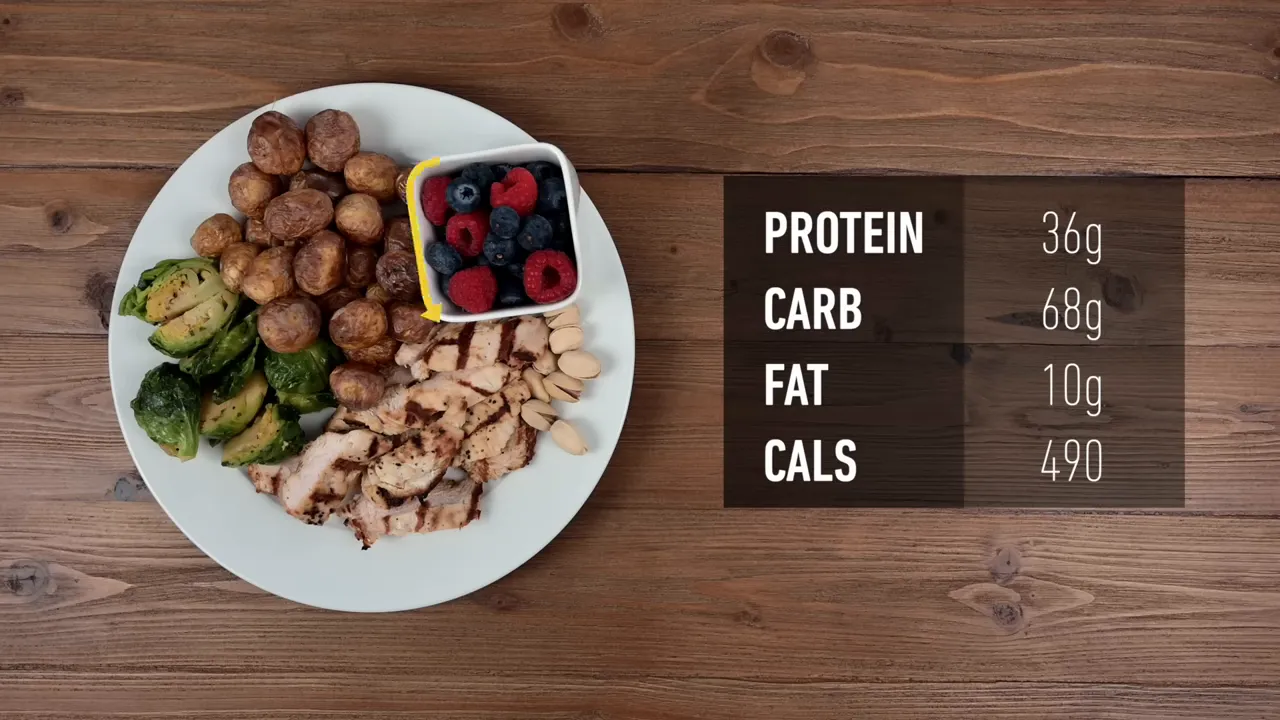
The example provides approximately 490 calories, 36 grams of protein, 68 grams of carbs, and 10 grams of fat. For a vegan version, replace the chicken with enough tofu to provide a comparable amount of protein.
Meal Example 3: A Quick Snack After Fasted Training
If you trained fasted and need to commute home or get to work before eating a full meal, I wouldn't deliberately wait another hour or two without anything.
Have a protein shake immediately afterward, plus a serving of fruit such as a banana or grapes. Depending on your daily carb allowance, add a couple of rice cakes.
The shake, grapes, and rice-cake example provides approximately 290 calories, 26 grams of protein, 44 grams of carbs, and 2 grams of fat. Then have your first whole-food meal a couple of hours later.
Make Workout Nutrition Fit Your Day
The goal isn't to turn every meal into a complicated calculation. Use these targets as starting points, then adjust for your body weight, calorie intake, digestion, and schedule.
Fuel training beforehand, use intra-workout nutrition when it solves a real problem, and time your post-workout meal around when you last ate. That captures the useful part of nutrient timing without the unnecessary panic.
Putting Your Nutrition Targets Into Practice
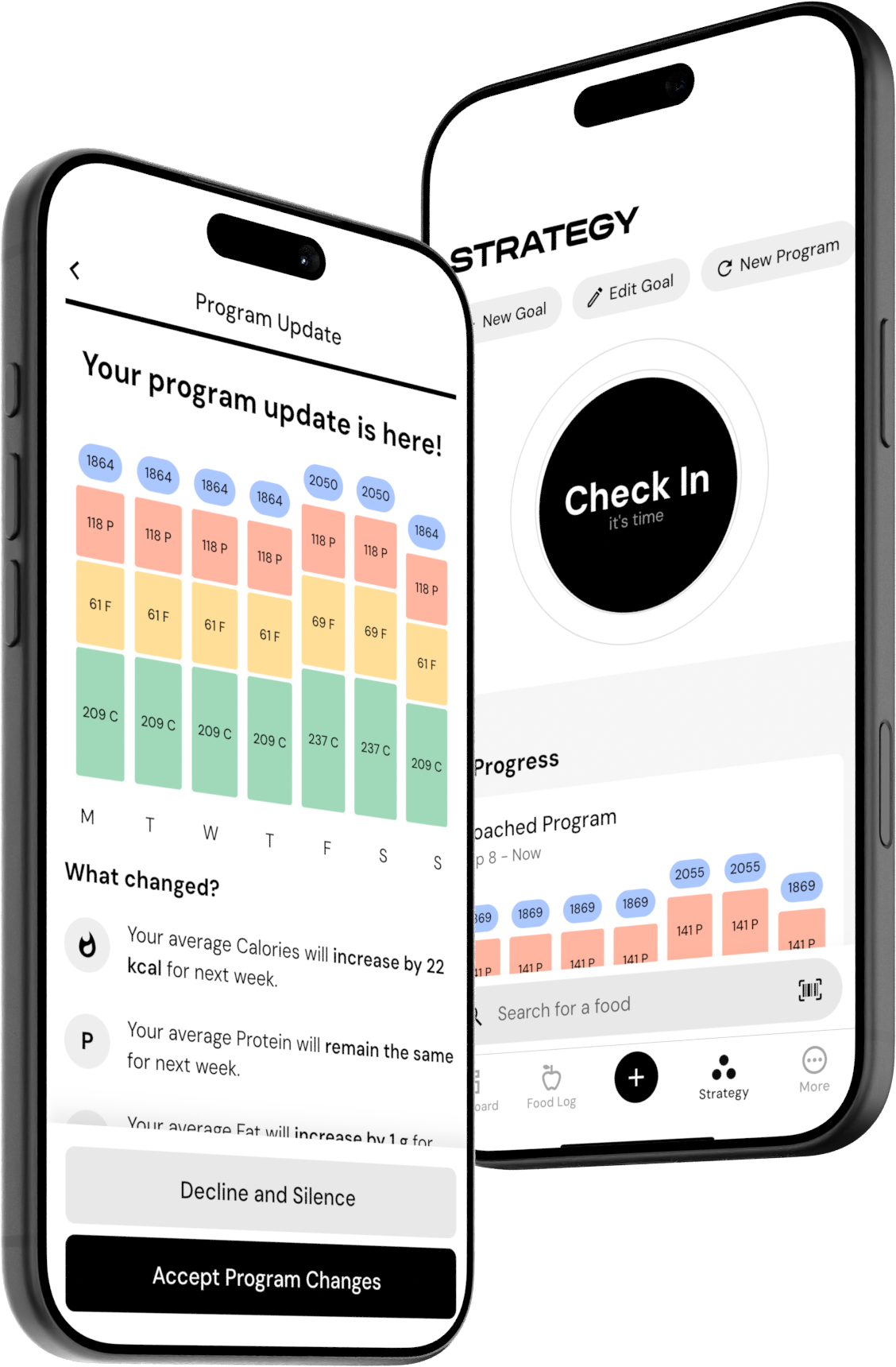
I helped beta-test and customize MacroFactor with sports nutrition experts Greg Nuckols and Eric Trexler. It's available on Apple and Android and is designed to personalize calorie and macro targets around your goals, activity, and dietary preferences.
You can choose coached targets that update weekly or manually set your own numbers. Other features include different targets for training and rest days, micronutrient and fatty-acid tracking, integrations with Fitbit and other health apps, and voice-based food entry through AI Describe.
That flexibility matters to me. Whether you want guidance or prefer to self-coach, tracking should help you apply your nutrition plan without making the process unnecessarily time-consuming.
|