The glutes are one of the biggest muscle groups in the body, and building them can make a huge difference to your physique. Whether you’re a man or a woman, well-developed glutes make it pretty obvious that you lift from the side and the rear.
But not every exercise that makes your glutes burn is equally good at making them grow. Some movements deliver high tension, a deep stretch, and a straightforward way to get stronger. Others work better as warm-ups than as serious muscle builders.
Here’s how I rank the most popular glute exercises for hypertrophy, using the research, basic biomechanics, and my own training experience. These are my practical rankings, not a claim that science has directly compared every exercise against every other exercise.
Key Takeaways
- Prioritize glute exercises that provide high tension, feel comfortable, and allow progressive overload.
- Combine stretched-position exercises with shortened-position movements rather than relying on only one style.
- Walking lunges are my top overall pick, with different exercises earning the regional top spots.
- Donkey kicks and fire hydrants work better as activation drills than primary muscle-building exercises.
Table of Contents
- What Makes a Great Glute Exercise?
- Hip Thrusts, Glute Bridges, and Frog Pumps
- Squats and Bulgarian Split Squats
- Kickbacks, Step-Ups, and Hip Abductions
- Lunges: My Favorite Overall Glute Builders
- Deadlifts and Other Hip Hinge Exercises
- The Lowest-Ranked Exercises for Glute Growth
- My Top Picks for Complete Glute Development
What Makes a Great Glute Exercise?
A quick look at glute anatomy
Your glutes consist of three distinct muscles:
- Gluteus maximus: The largest of the three and the real powerhouse. It extends your hips, as in a deadlift, and externally rotates your legs, as when you turn your toes outward.
- Gluteus medius: Roughly one-third the size of the gluteus maximus, but still substantial, with about as much muscle mass as your delts. It contributes to the upper glute shelf, moves your leg out to the side, and helps stabilize you during single-leg exercises.
- Gluteus minimus: About half the size of the medius. It also plays an important stabilization role and can contribute size around the upper glutes.
We can also discuss glute development in terms of upper, middle, and lower regions. Those regional labels aren’t three additional muscles. They’re a useful way to think about where different exercises may place more emphasis.
An exercise can be excellent for one region without being the best overall glute builder. Machine hip abductions are a perfect example: fantastic for the upper glutes, but not a complete replacement for hip extension exercises.
My three ranking criteria
- High tension: Ideally, the exercise challenges the glutes in a stretched position.
- Comfort: It should feel good without causing knee, hip, or lower back pain.
- Progression: You need a practical way to add weight or reps over time.
The tiers reflect muscle-building potential: S tier contains my favorites, A tier exercises are strongly recommended, and B tier exercises remain useful in certain contexts. C tier usually means there are better options, while D tier movements generally wouldn’t be my choice for glute growth. F tier is reserved for exercises I generally wouldn’t recommend.
Hip Thrusts, Glute Bridges, and Frog Pumps
Barbell hip thrust: High B tier
The barbell hip thrust is one of the more heavily studied resistance exercises, and the research supports it as an effective glute builder. It trains hip extension, involves the upper, middle, and lower glutes, and is especially useful for developing that middle portion.
It’s also easy to progressively overload. You don’t need a 500-pound hip thrust, but getting stronger with controlled technique in the 5 to 15 rep range is a useful sign that your training is moving in the right direction.
So why not S tier? A few practical drawbacks:
- The bar can pinch your hips.
- Setup becomes time-consuming, especially with lots of plates.
- The movement can feel awkward even with adequate padding.
- It doesn’t place the glutes in a particularly deep stretch.
A thick bar pad or rolled yoga mats can help with pressure. Positioning the bar in the soft crease of the hips, below the anterior superior iliac spine and above the pubic bone, can also improve comfort.
Even a deep hip thrust generally reaches only about 90 degrees of hip flexion, compared with roughly 130 degrees available to many lifters. But that limitation isn’t necessarily a deal breaker.
A nine-week study in untrained participants found similar glute growth from hip thrusts and squats, despite squats stretching the glutes more. Meanwhile, research comparing squat depths suggests deeper training can benefit glute growth.
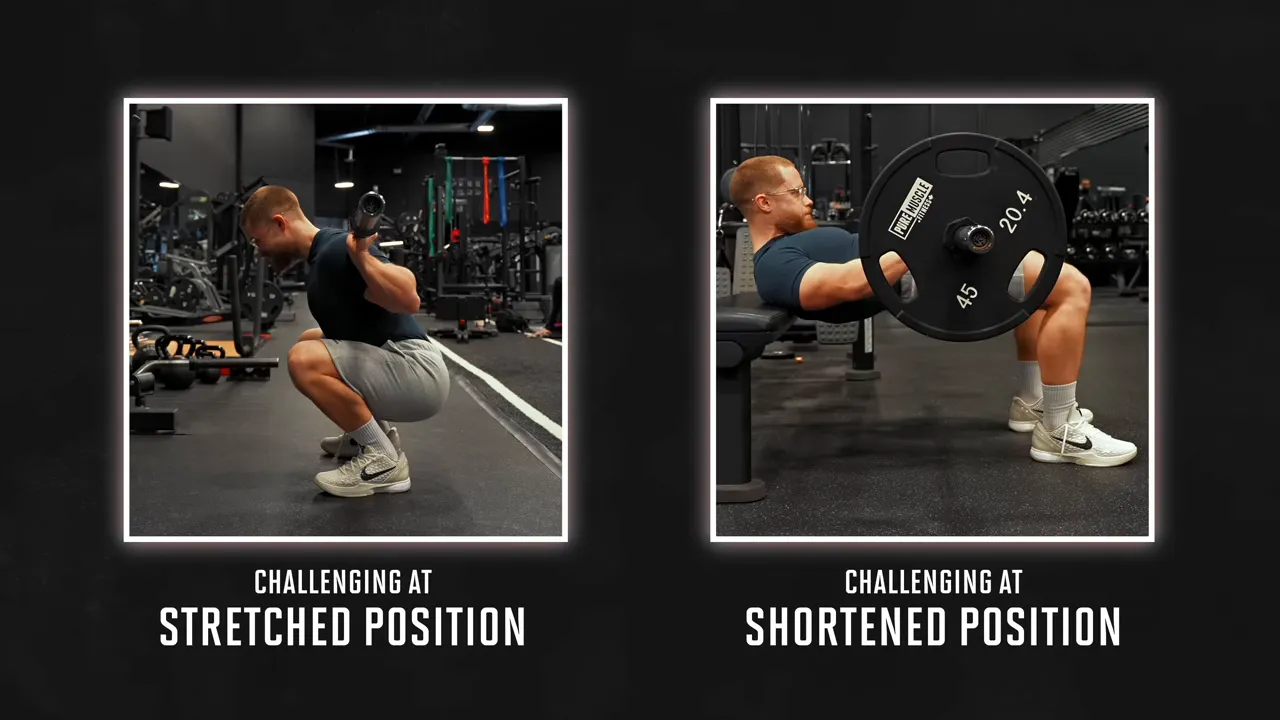
My takeaway isn’t that stretch doesn’t matter. It’s that combining exercises that challenge the glutes in stretched and shortened positions makes sense, rather than assuming one style makes the other unnecessary.
Machine hip thrust: High A tier
A good hip thrust machine solves several of the barbell version’s problems. On something like the Nautilus Glute Drive, the belt is more comfortable, setup is simpler, and the machine provides enough stability that you can focus on driving through your glutes.
I do these every week. They still lack a really deep stretch, but that’s something other exercises can provide.
This is my number one pick for the middle glutes.
Single-leg dumbbell hip thrust: A tier
The single-leg version trains the entire glute while potentially bringing the upper glutes into the movement more through the stabilization demands on the medius and minimus.
It also lets you train each side individually, which can help address left-to-right differences. I don’t like going super heavy here. Stick with 12 to 15 controlled reps and make the working glute do the work.
Glute bridge: Low B tier
A floor glute bridge is essentially a hip thrust with less range of motion. It’s easier to set up because you don’t need a bench, and the reduced stabilization demands make it approachable for beginners.
Some people also feel they can isolate their glutes better and involve their quads less. That’s useful, but I still prefer the hip thrust’s larger range of motion.
Frog pumps: High C tier
Frog pumps involve externally rotating your hips, bringing the soles of your feet together, and thrusting upward. The abducted hip position can shift some emphasis toward the upper glutes.
I don’t hate them as a high-rep finisher. The problem is that they’re difficult to load heavily, which pushes you toward very high reps, and they don’t provide much glute stretch. They’re an accessory option, not something I’d build my glute training around.
Squats and Bulgarian Split Squats
Barbell back squat: A tier
Squats are seriously underrated as a glute builder. Like hip thrusts, they involve hip extension and train all regions of the glutes, with a strong contribution from the middle portion. I’d attribute a lot of my own glute development to squatting and my powerlifting background.
The main downside is that squats don’t isolate the glutes. Your quads get a huge stimulus too. If you specifically want bigger glutes without bigger quads, squats wouldn’t be my first choice.
To make them more glute-focused:
- Use a lower bar position on your back.
- Allow more forward torso lean.
- Think about driving through your hips.
- Squat deeply enough to at least break parallel, provided you can do so comfortably.
Depth matters here. Cutting your squats high misses an important part of what makes them useful for glute growth.
Smith machine squat: A tier
The Smith machine lets you position your feet farther forward to make the movement more glute-dominant. You also don’t have to worry about balancing the bar.
That extra stability makes it another strong option. I put it in the same tier as the barbell squat.
Bulgarian split squat: High A tier
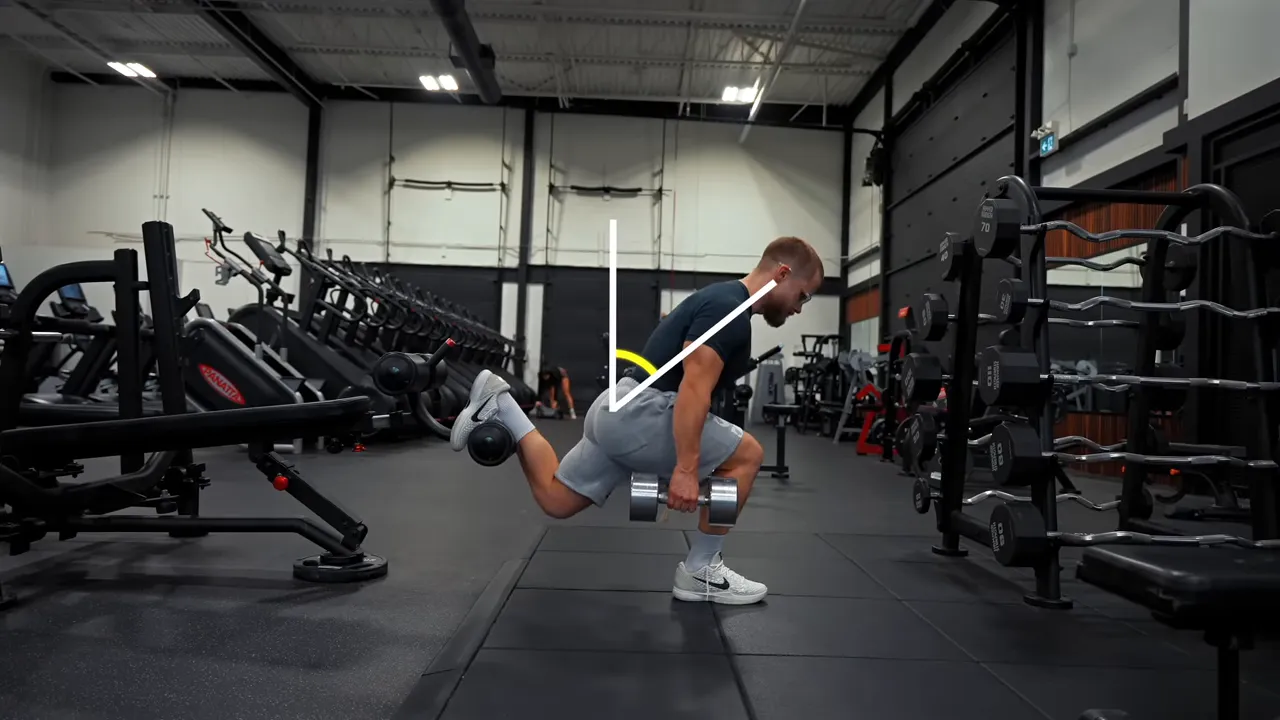
Bulgarian split squats can provide an even deeper glute stretch than a standard back squat. Since you’re training one leg at a time, the upper glutes also contribute to stabilization.
For more glute emphasis, place your front foot farther forward and lean your torso forward as you descend. Think about driving through the hip rather than simply straightening the knee.
These come very close to S tier. What holds them back is that they can be harder to overload, especially with dumbbells, and they’re brutally exhausting while also hammering the quads. I usually do two sets per leg and call it there.
Kickbacks, Step-Ups, and Hip Abductions
Cable kickback: Low A tier
Cable kickbacks are a great option for the upper glutes, especially when you kick up and out diagonally. That combines hip extension with hip abduction, matching the functions of the upper glute fibers.
Bracing against the machine helps with stability, and supporting yourself against a bench can make the setup even more stable. The cable should provide a smooth resistance profile.
You won’t get the deepest stretch, but other exercises can cover that. I don’t do a ton of kickbacks myself, yet I think they’re a strong choice if you enjoy them or want to isolate your glutes without training your quads much.
Step-up: Low A tier
Step-ups train the entire glute, while the single-leg stability demands bring the medius and minimus into play.
A higher box, around knee height or just above it, increases the stretch and can make the exercise more glute-focused. Holding a handle for support can help you stay balanced and load the working glute more effectively.
They can feel awkward at first. Once you learn to drive through your glutes rather than making the movement mostly about your quads, they’re killer.
Machine hip abduction: S tier
This is my favorite exercise for the upper glutes. It directly challenges the medius and minimus through hip abduction, which is moving your thighs out to the sides.
I like leaning forward by about 30 degrees. This can improve the line of pull for the upper glute fibers and help you feel a deeper stretch at the bottom.
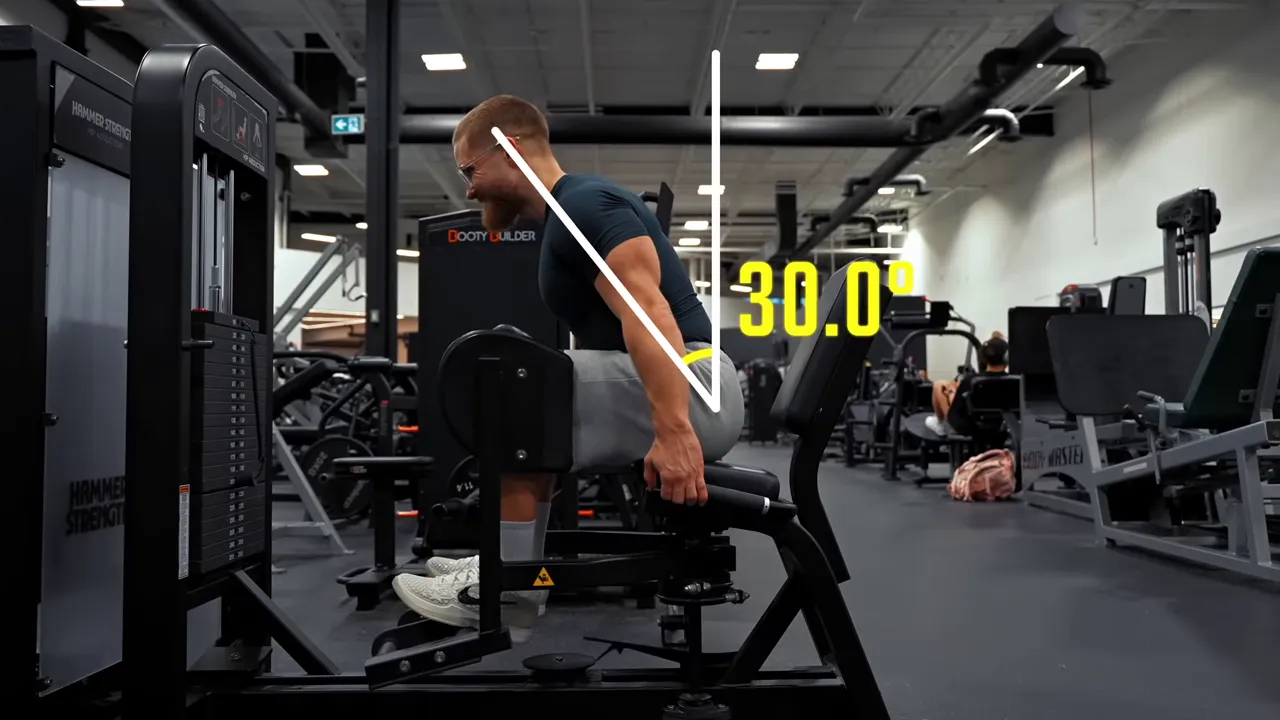
I usually use 15 to 20 reps, although heavier, lower-rep work can also be effective. Progression is simple: increase the weight on the stack as you get stronger.
An extra pad on the inside of the machine’s thigh pads can provide a little additional range of motion. If you eventually max out the stack, a compatible gym pin can allow further loading where the equipment permits it.
Machine abductions aren’t the best standalone exercise for the entire glute complex. But for their specific job, they’re good enough to earn S tier.
Cable hip abduction: B tier
Cable abductions train the same basic movement, but I find them less stable, harder to overload, and a little more annoying to set up than the machine version.
They’re still useful, particularly if your gym doesn’t have an abduction machine. I just prefer the machine when both are available.
Lateral banded walk: C tier
Lateral banded walks can help you feel your glute medius working, but the band offers very little tension in the stretched position.
They’re fine as a warm-up or an activation drill. A beginner may get some growth from them, but for most people, they wouldn’t be my main upper-glute exercise.
Lunges: My Favorite Overall Glute Builders
Walking lunge: S tier, and my overall S+ pick
Walking lunges cover a lot of ground. The upper glutes help stabilize you, the middle glutes contribute to hip extension, and the deep stretch challenges the lower glute region.
To emphasize the glutes, take longer strides and lean forward slightly, around 30 degrees. Those adjustments help create a bigger stretch.
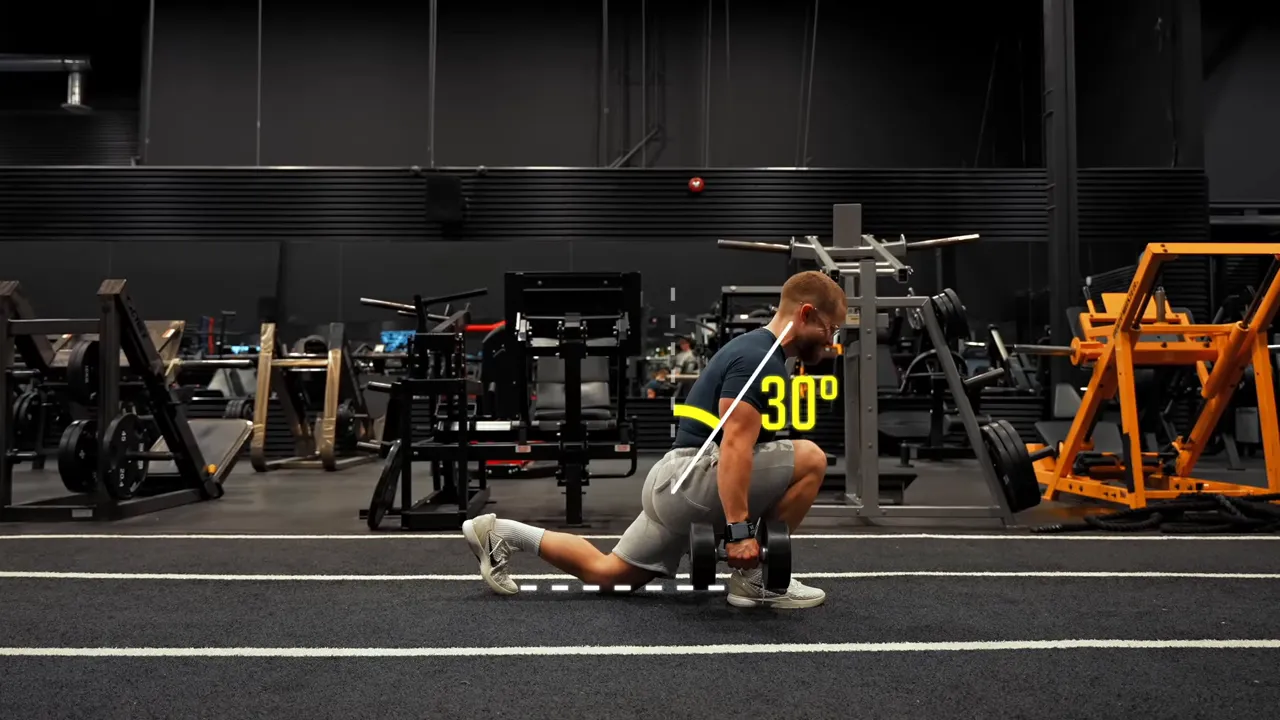
I also find walking through space more motivating than repeating every rep in the same spot. You have somewhere to go and something concrete to work toward. That’s personal preference, but enjoyment matters when you’re choosing exercises you’ll actually train hard.
Bulgarian split squats may allow a slightly deeper stretch, but long-stride walking lunges still deliver a massive one. They also make my glutes sorer than almost anything else, although soreness itself isn’t proof of a better growth stimulus.
If I had to choose just one exercise from S tier and promote it to S+ as my best overall glute exercise, I’d choose the walking lunge. That might be a hot take, but it’s my pick.
Smith machine lunge: High A tier
Smith machine lunges offer many of the same benefits, with the added stability of the machine.
I rank them slightly below walking lunges largely because I prefer moving through space. That’s not a major physiological knock against them. If you prefer the Smith version, it’s still an excellent choice.
Front-foot-elevated Smith machine lunge: S tier
Elevating your front foot on a small platform gives you more room to descend. That extra range of motion and stretch is enough to bump this variation into S tier.
Curtsy lunge: Low B tier
With curtsy lunges, you step diagonally backward behind the other leg. The added balance demands can increase involvement of the glute medius, making them another upper-glute option.
However, that same balance challenge makes them harder to overload. I’m fine including them occasionally, but I don’t think they’re as strong a default choice as standard lunges.
Deadlifts and Other Hip Hinge Exercises
Conventional deadlift: Low B tier
The conventional deadlift has real strengths: it trains hip extension, provides a substantial stretch around the lower glutes, and is excellent for progressive overload.
The catch is fatigue. Heavy deadlifts are demanding both physically and psychologically, and a lot of that fatigue affects muscles other than the glutes, including the spinal erectors.
That’s what I mean by a less favorable stimulus-to-fatigue ratio. You get a meaningful training stimulus, but you also pay a large recovery cost. For strength, the conventional deadlift is elite. For glute hypertrophy specifically, I think there are better options.
Sumo deadlift: High B tier
An EMG comparison of sumo and conventional deadlifts found no significant difference in gluteus maximus activity between the two stances.
However, the wider stance and outward foot angle involve more hip abduction and external rotation. That may increase the contribution of the glute medius and shift some emphasis toward the upper glutes.
I give sumo a small edge for glute training, but that’s a biomechanical interpretation, not proof that it produces more glute growth.
Romanian deadlift: High A tier
The Romanian deadlift is my preferred deadlift variation for glute hypertrophy, especially around the lower glutes and the glute-hamstring tie-in area.
It trains the hamstrings hard too, but it also heavily challenges the gluteus maximus and provides a straightforward path for progressive overload.
This is my number one exercise for the lower glutes. It isn’t my best overall pick, but it’s an excellent compound movement for that region.
45-degree back extension: S tier
A lot of people think of back extensions as purely a lower back exercise. But because you’re extending your hips, your glutes are heavily involved too.
You train them through both the lengthened position at the bottom and the shortened position at the top. I like progressing these by adding reps, although you can also add substantial resistance by holding plates against your chest.
Rounding the upper back slightly helps me connect with my glutes better. For a simple movement that’s easy to overlook, this one deserves S tier.
Cable pull-through: Low B tier
Cable pull-throughs are a reasonable option for beginners who haven’t built much glute strength yet.
As you get stronger, though, you can become limited by how much weight you can comfortably hold and control. The setup starts to feel awkward once the load gets heavy. Useful early on, but not my favorite long-term option.
The Lowest-Ranked Exercises for Glute Growth
Donkey kick: Low D tier
Bodyweight and banded donkey kicks are difficult to progressively overload. Even with a band, there’s very little tension when the glutes are stretched.
They can help beginners learn what glute engagement feels like, and they can work as a warm-up drill. But for hypertrophy, they don’t offer the same loading potential as the higher-ranked exercises.
Fire hydrant: Low D tier
Fire hydrants have a similar problem: it’s difficult to create enough glute tension and progress it meaningfully.
They may have a place in mobility or rehabilitation contexts, but that’s a different goal from maximizing muscle growth.
Kettlebell swing: Low D tier
Kettlebell swings can provide a good conditioning workout and have value for explosive power.
For glute hypertrophy specifically, though, I don’t think they deliver enough of the tension I’m looking for compared with more controlled, progressively loaded options. That’s a low ranking for this particular goal, not a claim that swings are useless.
My worst overall picks for glute growth are donkey kicks and fire hydrants. Not because they can never serve a purpose, but because getting high, progressively increasing glute tension is so difficult.
My Top Picks for Complete Glute Development
If you want the shortest version of my exercise selection priorities, here it is:
- Best overall: Walking lunge.
- Best for upper glutes: Machine hip abduction.
- Best for middle glutes: Machine hip thrust.
- Best for lower glutes: Romanian deadlift.
- Other S tier options: Front-foot-elevated Smith machine lunge and 45-degree back extension.
The point isn’t to cram every highly ranked exercise into your program. It’s to choose movements that complement each other: some hip extension work, some training that challenges the glutes in a deep stretch, and direct abduction work if you want to emphasize the upper glutes.
I’m putting extra effort into bringing up my own glutes, so hip thrusts, hip abductions, and walking lunges are getting a lot of attention in my training.
But exercise selection is only part of the equation. Your calorie and protein intake need to support muscle growth too. Dialing in my own nutrition has made a huge difference to my progress. Great exercises give you the stimulus; your diet needs to support what you’re trying to build.
|