A chest exercise can give you a massive pump and still be a poor choice for muscle growth. It can also look pretty basic and deliver almost everything your pecs need.
My rankings come down to three things: high tension in a deep stretch, a movement that feels good, and a straightforward way to progressively overload. The research helps inform those decisions, but so do biomechanics, coaching experience, and how an exercise actually feels in the gym.
These are rankings for chest hypertrophy, not explosive power, athletic performance, or maximum bench press strength. That distinction matters. An exercise can be excellent for improving your lockout and still be pretty mediocre for growing your pecs.
Key Takeaways
- Prioritize chest exercises that combine a loaded stretch, comfortable movement, and straightforward progressive overload.
- A well-designed machine chest press earns the top ranking for chest hypertrophy.
- Seated cable flies combine stability and freedom of movement, making them a standout isolation exercise.
- Exercise rankings depend on the goal, so strength-building value does not guarantee superior pec growth.
Table of Contents
- What Makes a Chest Exercise S Tier?
- Barbell Bench Press Variations
- Dumbbell Press Variations
- Machine Chest Presses and Smith Machine Presses
- Dips and Push-Up Variations
- Chest Fly Variations
- Unconventional Chest Exercises: Which Ones Are Worth It?
- The Best Chest Exercise Is the One That Checks the Right Boxes
What Makes a Chest Exercise S Tier?
Before getting into the movements, here is what I’m looking for:
- A big stretch under high tension. Simply moving your arms through a large range of motion is not enough. The resistance needs to challenge your pecs while they are stretched.
- A good feel. The exercise should not cause pain, and the resistance should feel reasonably smooth. A strong mind-muscle connection and a good chest pump are nice bonuses.
- Simple progression. You should be able to add reps or weight as you get stronger without the setup becoming the limiting factor.
Here is how to interpret the tiers:
- S tier: My favorites. Include them if you can.
- A tier: Strongly recommended.
- B tier: Useful in certain contexts, but there may be better options.
- C tier: Some value, although most people have better choices.
- D tier: Probably not a great chest-building option for most people.
- F tier: Generally not recommended for this goal.
Don’t interpret an A-tier ranking as a criticism. A lot of excellent chest exercises live there. The difference between A and S often comes down to a small practical drawback rather than a huge difference in muscle-building potential.
Barbell Bench Press Variations
Flat Barbell Bench Press: A Tier
The bench press provides high tension on the pecs, particularly when you lower the bar all the way to your chest. It is also extremely easy to overload. As you get stronger, you can keep adding weight in small increments.
Personally, I would be tempted to put it in S tier. I credit a large part of my own chest development to this exercise, and it feels great to me.
But that experience is not universal. Some people struggle to feel their pecs working, and shoulder discomfort is a fairly common complaint. Trying to lift more weight than you can comfortably control may contribute, but I still count those complaints as a slight negative.
The barbell also stops against your rib cage, so it cannot offer quite the same depth as dumbbells. Taking all of that into account, A tier is the more reasonable overall ranking.
Incline Barbell Bench Press: A Tier
The incline bench has essentially the same strengths as the flat bench, with a little more emphasis on the upper pecs.
That does not automatically mean you are sacrificing growth everywhere else. A study comparing flat and incline bench training found similar mid- and lower-pec growth between the two, with better upper-pec growth from the incline press.
That finding brings incline bench very close to S tier for me. Still, it shares enough of the flat bench’s limitations that I’m keeping it in A tier.
Decline Barbell Bench Press: B Tier
Biomechanically, a decline angle should shift some emphasis toward the mid and lower pecs. However, we do not have the same long-term growth comparisons for decline pressing that we have for flat and incline pressing.
My reservations are mostly practical. In my coaching experience, more people struggle to grow their upper pecs than their lower pecs. If I’m going to shift the emphasis, I would usually shift it upward.
The decline press also has slightly less range of motion than the flat or incline press. It is clearly an effective chest builder, and some people love it, but it is my least favorite of the three barbell angles. B tier.
Dumbbell Press Variations
Flat Dumbbell Press: A Tier
Dumbbells solve one of the barbell’s main limitations: they can travel past your rib cage, allowing a deeper pec stretch.
They generally feel great, provide a strong chest pump, and tend to attract a little less ego lifting. In my experience, shoulder complaints are also less common than with barbell benching.
For beginners and intermediate lifters, progression is usually straightforward. Add reps, move up to the next pair of dumbbells, and repeat.
The problem shows up when you get strong. Many gym dumbbell racks stop at around 100 pounds per hand. Even if heavier dumbbells are available, they become bulky and awkward to get into position. Those advanced-level progression issues are the main reason this narrowly misses S tier.
Incline Dumbbell Press: A Tier
The incline dumbbell press offers the same deep stretch and freedom of movement, with a little more upper-chest emphasis.
It also shares the same potential drawbacks: eventually running out of dumbbell weight and dealing with an increasingly awkward setup. Another strong A-tier choice.
Decline Dumbbell Press: B Tier
Decline dumbbell pressing can work, but getting into position is awkward enough that you may need someone to hand you the weights.
Combine that with the fact that I rarely find lower-chest emphasis to be the biggest priority, and this lands in B tier.
One-Arm Dumbbell Press: F Tier
This may sound harsh, but I don’t see a chest-building advantage to pressing one dumbbell at a time.
Each pec already works independently during a normal two-dumbbell press. Going one arm at a time adds a balancing challenge without giving the chest an obvious benefit. For this particular goal, I would rather keep the setup stable and put the effort into the pecs.
Machine Chest Presses and Smith Machine Presses
Machine Chest Press: S Tier, and My Overall Winner
A good chest press machine checks every major box. It gives you a deep pec stretch, maintains high tension through the movement, and provides a stable setup that makes it easier to focus on your chest.
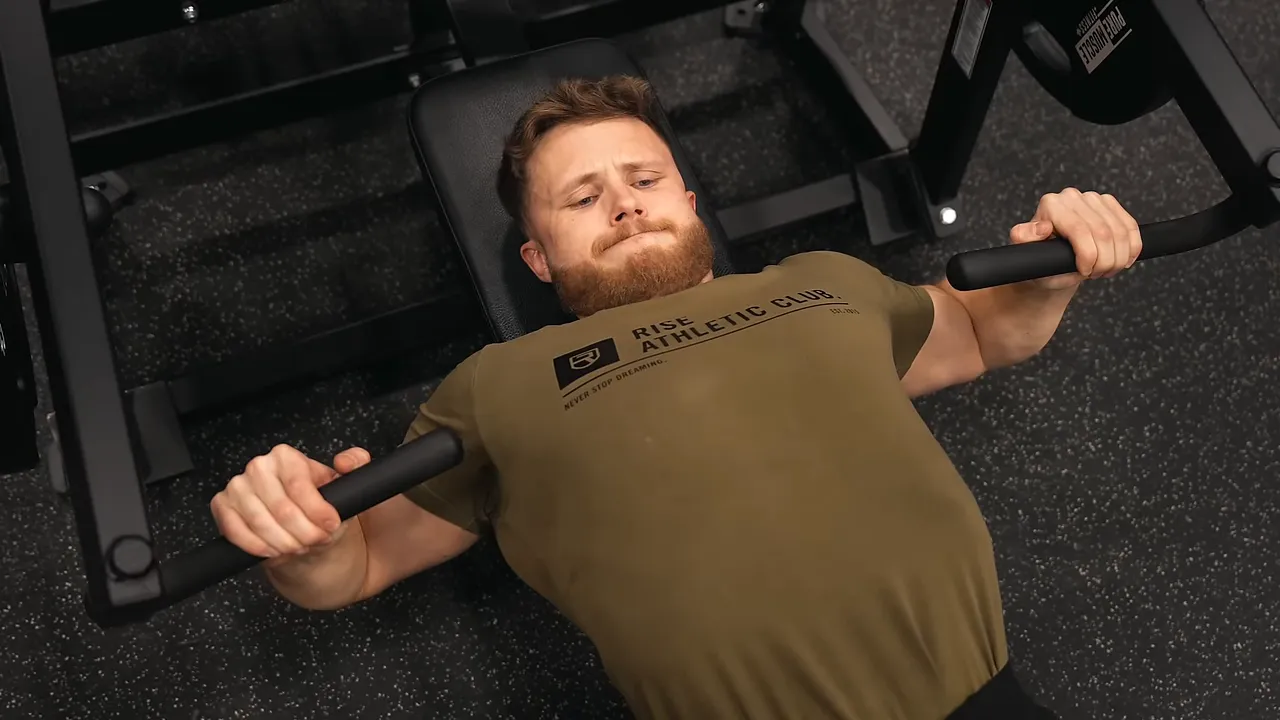
Progression is simple, too. You can add a rep or increase the weight without wrestling heavy dumbbells into position. You can also generally push closer to failure with less risk than with free weights.
The important qualification is a good machine. This is a broad category, and some designs will fit your body much better than others.
If your gym has one that feels comfortable and allows a substantial stretch, I struggle to find a meaningful downside from a muscle-building standpoint. It earns S tier, and if I have to choose one best chest exercise overall, it gets the S-plus crown.
Flat Smith Machine Bench Press: A Tier
The Smith machine gets a lot of hate, but it can absolutely build muscle. It is a strong alternative to a standard bench press, with many of the same benefits.
I also feel more confident taking a Smith machine press close to failure. That makes it a useful option, not an inferior substitute simply because the bar travels on rails. A tier.
Incline Smith Machine Press: A Tier
The incline version keeps the same basic advantages while shifting a little more emphasis toward the upper pecs. It joins the flat version in A tier.
Dips and Push-Up Variations
Dips: A Tier
Dips might offer the deepest pec stretch of any compound chest exercise on this list. They also provide high tension and several ways to progress:
- Start with assisted dips and gradually reduce the assistance.
- Add reps to bodyweight dips.
- Make the lowering phase more controlled.
- Eventually add external load with a weight belt.
That is a very strong package. The downside is that some people find frequent dips aggravate their shoulders. I have not personally had that issue, but I also don’t think dips feel quite as smooth as the best presses.
They lose a little in the “feels good” category, putting them in A tier rather than S. They are still absolutely worth considering.
Bodyweight Push-Ups: C Tier
The obvious advantage of push-ups is convenience. You can do them almost anywhere with no equipment, and they are a decent beginner exercise.
Assuming you have gym access, though, there are usually better options for maximizing chest growth.
Once you get reasonably strong, you may need 30 or more reps to get sufficiently close to failure. That can work as an end-of-workout finisher, but doing so many reps can be exhausting without offering an extra benefit.
The floor also stops your chest before you reach the deepest possible pec stretch. Adding weight is possible, but having a partner balance plates on your back can feel unstable. Those limitations put standard bodyweight push-ups in C tier.
Banded Push-Ups: B Tier
A resistance band makes push-ups harder, but most of the added resistance arrives toward the top of the movement.
That means it does not do much to increase tension in the bottom position, where the pecs are most stretched. I still like banded push-ups as a finisher, so they get B tier.
Deficit Push-Ups: A Tier
Elevating your hands allows your chest to descend below them, fixing the biggest range-of-motion limitation of regular push-ups.
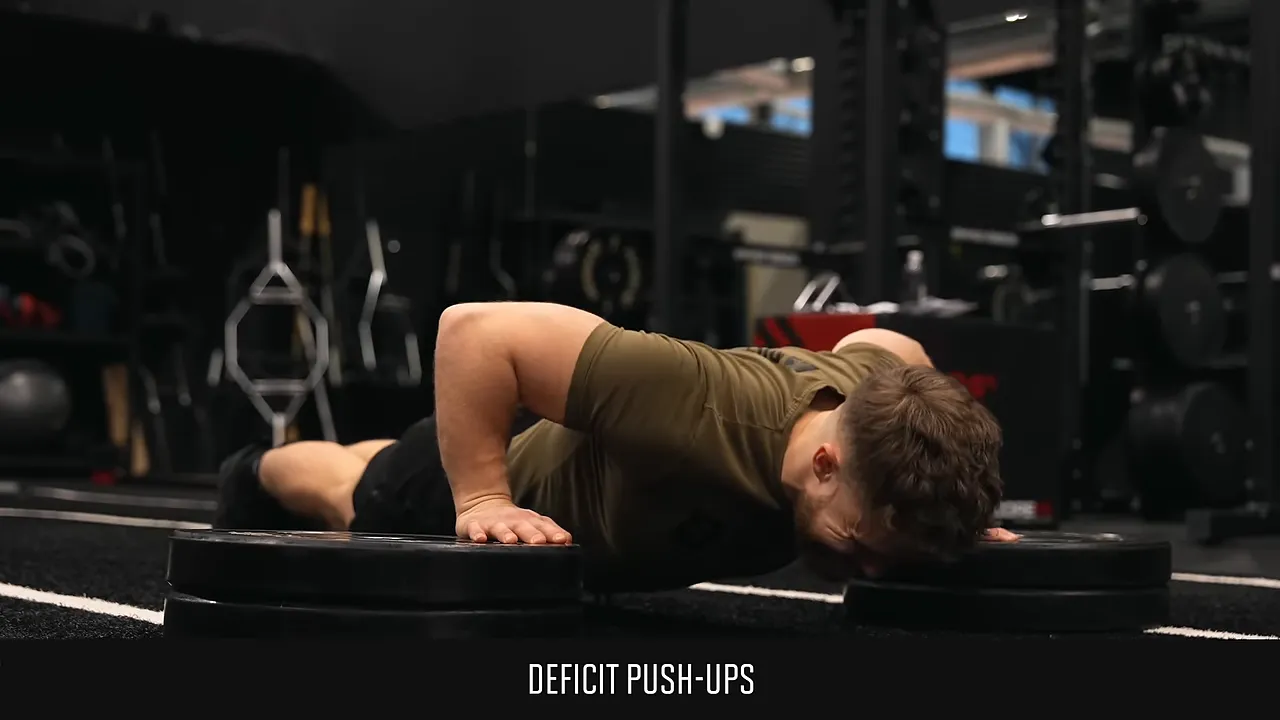
Progressive overload is still a little tricky, but a two- to three-second pause at the bottom can make the exercise more challenging.
If you are going to use push-ups for chest growth, this is my preferred variation. A tier.
Plyometric Push-Ups: D Tier
I used to do a lot of plyometric push-ups during my early powerlifting days to develop explosive pressing power. For bodybuilding, I’m much less enthusiastic.
They are not particularly good at maximizing tension during the lowering phase or in the stretched position. Although explosive training has some research support, I would rather apply explosive intent to a loaded exercise such as the bench press when muscle growth is the priority.
Useful for a different purpose does not mean optimal for pec growth. D tier.
Chest Fly Variations
Presses, dips, and push-ups train the pecs alongside the front delts and triceps. Fly variations give you a way to focus more directly on the chest.
Cable Crossovers: A Tier
Cable crossovers offer a big stretch with smooth, relatively even resistance. They feel good to me and usually deliver a solid chest pump.
Progression is not quite as straightforward as with pressing. You cannot move as much weight, but you can still add reps and improve your execution over time.
The main drawback is stability. As you get stronger, the cables may start pulling your body backward. Leaning forward and bringing your arms downward can help, but standing crossovers still are not the most stable fly variation. A tier.
Seated Cable Pec Fly: S Tier
Sitting down keeps the benefits of cables while removing much of the balancing challenge. That stable setup makes it easier to direct the effort into the pecs rather than fighting to hold your body in position.
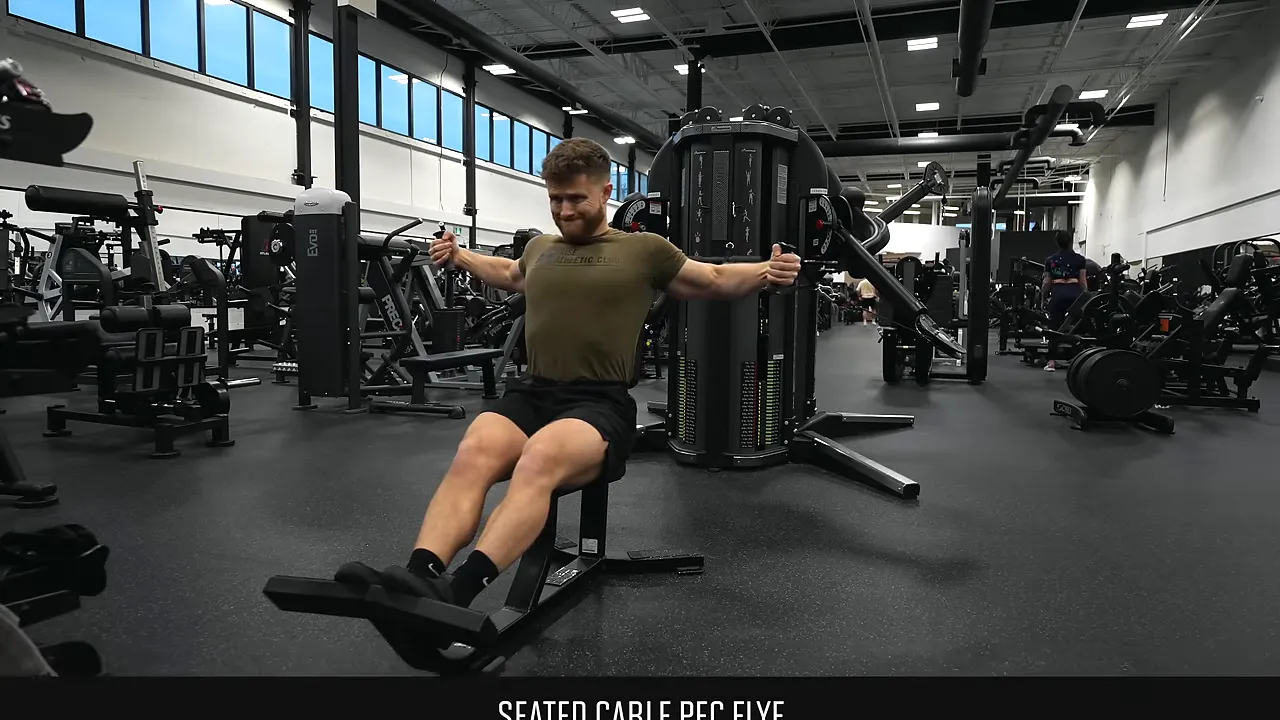
You also retain freedom to find a comfortable arm path. At the time of these rankings, this is my favorite chest isolation exercise. It joins the machine chest press in S tier.
Pec Deck: A Tier
The pec deck gives you a stable seated position, high tension, and the potential for a substantial pec stretch.
My only real reservation is that the machine locks you into a specific movement path. Cables allow a little more freedom at the shoulder, which can make it easier to find the line of pull that feels best for you.
That is subjective, and a pec deck that fits you well may feel fantastic. For me, it sits just below seated cable flies in A tier.
Dumbbell Fly: A Tier
A few years ago, I probably would have ranked dumbbell flies much lower. My concern was that resistance on the pecs drops to essentially nothing at the top, when the dumbbells are directly above your shoulders.
But evidence on training at longer muscle lengths has made me reconsider how much that matters. The stretched position appears particularly important for growth, so an exercise does not need a hard peak contraction to be useful. A review of partial versus full range-of-motion training provides context for that discussion.
I like doing dumbbell flies as lengthened partials, keeping the lower, stretched portion and leaving out the upper half where resistance falls away.
They still don’t feel quite as smooth as cable flies, which costs them a little. A tier.
Unconventional Chest Exercises: Which Ones Are Worth It?
Hex Press: F Tier
Pressing dumbbells together might feel like it should do something special for the inner chest. I’m not convinced.
Your arms stay tucked close together, so the pecs never receive a substantial stretch. The triceps also contribute heavily, and there is no evidence that this variation preferentially develops the inner pecs.
I would take a standard dumbbell press over this without hesitation. F tier.
Plate Press: F Tier, and My Overall Loser
The plate press is essentially a more awkward hex press with even less room for progressive overload.
It has the same lack of a deep pec stretch, plus a setup that makes adding meaningful load difficult. For chest growth, I see plenty of drawbacks and no compelling advantage over the alternatives.
It gets F tier, and if I have to name the worst exercise on the list, the plate press takes it.
Dumbbell Pullover: D Tier
Pullovers are a tricky one. The pecs do contribute to the movement alongside the lats and triceps, and muscle activation research on pullovers supports chest involvement.
My issue is practical: I don’t feel my pecs working much during pullovers, and almost every client I have worked with has reported a similar experience. I also don’t see many top bodybuilders relying on them as a chest-day staple.
That does not erase the theoretical case for them. It simply makes me prefer pullovers as a lat exercise rather than a primary pec exercise. For chest growth, D tier.
Barbell Guillotine Press: F Tier
The guillotine press uses a high touch point near the neck, flared elbows, and a more shrugged shoulder position. It can produce a bigger pec stretch than the other barbell presses discussed here.
I don’t think elbow flare automatically makes an exercise bad for everyone’s shoulders. As Dr. Mike Israetel emphasizes, different pressing styles can work for different people. Some lifters feel great using a high touch point and flared elbows; others do better with tucked elbows and a lower touch point.
If flaring your elbows causes pain, especially with a pre-existing shoulder issue, there is no reason to force it.
But my main objection to the barbell guillotine press is not shoulder mechanics. It is the consequence of losing control of a bar directly above your neck. Any possible marginal benefit is not worth that hazard. That drops what could otherwise be an A-tier movement into F tier.
Dumbbell Guillotine Press: A Tier
Using dumbbells for a similar flared-elbow pressing motion removes the specific danger of a barbell coming down across your neck.
For lifters who tolerate it comfortably, this can be an excellent way to load a deep pec stretch. Start light and build tolerance rather than jumping straight into heavy loading.
It gets A tier, but only if it feels good. If this position causes shoulder pain, its ranking for you drops dramatically.
Cable Press-Around: A Tier
The cable press-around brings your working arm across your body’s midline. That makes it one of the few movements here that takes the pec into a more fully shortened position under resistance.
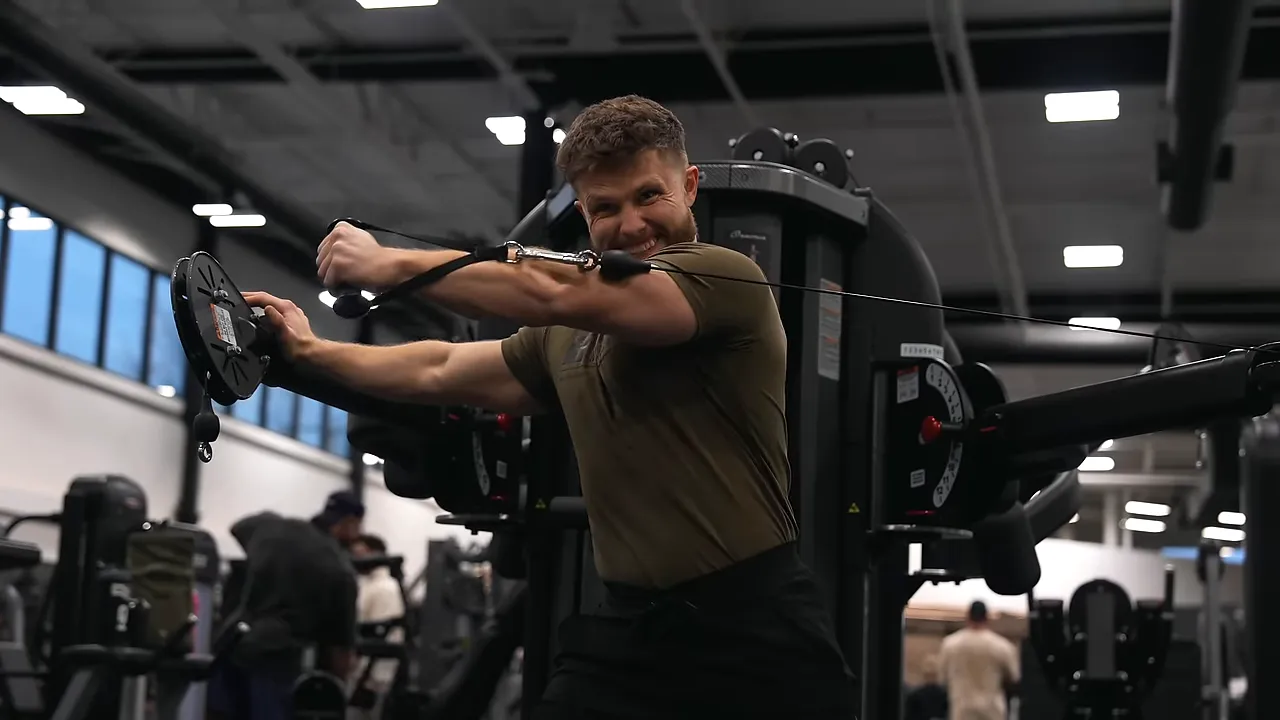
Although I find the evidence favoring stretched-position training convincing, I still think including some shortened-position work periodically is reasonable while the evidence develops.
The movement can feel awkward initially. Once you get the hang of it, though, it is a great option. A tier.
Cross-Body Standing Dumbbell Fly: F Tier
This exercise also brings your arm across your body, but the resistance behaves very differently from a cable.
With the dumbbell hanging at your side, there is essentially no tension challenging the pec in its stretched position. The movement also resembles a front raise, so the front delts take on a lot of the work.
Squeezing your chest at the top does not fix those limitations. A lying dumbbell fly makes much more biomechanical sense for chest growth. F tier.
Floor Press: C Tier
I like the floor press for strength and include it in strength and powerbuilding programs. It is useful for training the triceps and improving bench press lockout.
For chest hypertrophy, the same feature that makes it distinctive becomes a drawback: the floor stops your upper arms before the pecs can reach a full stretch.
It is not useless for chest growth, but it is not my first choice. C tier for pec development, with a much stronger case when the goal is pressing strength.
The Best Chest Exercise Is the One That Checks the Right Boxes
If I could choose only one winner, it would be a well-designed machine chest press. It combines a deep stretch, high tension, stability, easy progression, and the confidence to push hard near failure.
For isolation work, the seated cable pec fly is my standout. Most standard barbell and dumbbell presses remain excellent A-tier options, while deficit push-ups show how a simple change can make a familiar exercise substantially more appealing.
At the other end, the plate press earns my lowest ranking because it adds awkwardness without solving a useful problem.
The bigger lesson is not that everyone needs the exact same chest workout. Look for movements that load your pecs in a deep, comfortable stretch and let you make measurable progress. A slightly lower-ranked exercise that fits your body beautifully can be a better choice than forcing a higher-ranked one that hurts.


